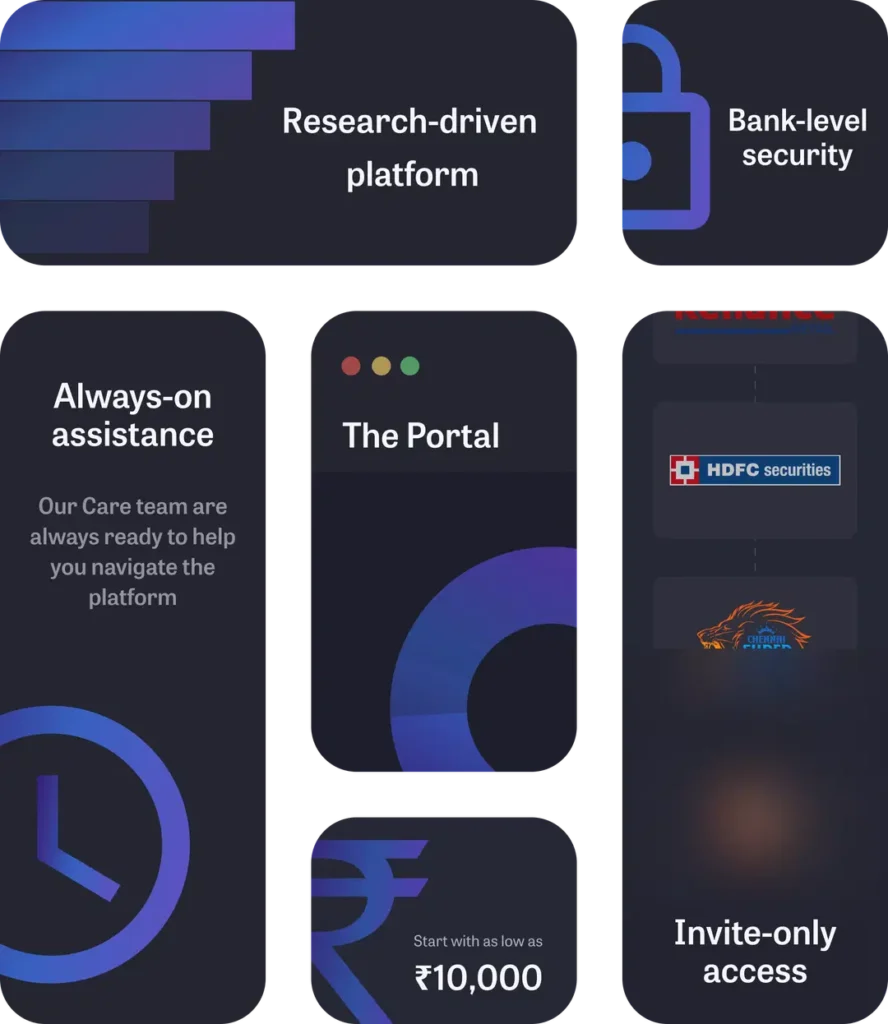
Prinet is an alternative investment portal that provides structured access to pre-IPO and unlisted equity shares in India. Through the Prinet portal, investors can research, evaluate, and transact in unlisted shares at competitive prices with a seamless buying and selling experience.
Built for investors who want early access, Prinet bridges the gap between private market opportunities and informed capital allocation.
Before IPO. Before the Crowd.
What Are Unlisted Equity Shares?
Unlisted equity shares—also known as pre-IPO shares—are shares of companies that are not listed on any recognized stock exchange. These companies may be privately held, in a growth phase, or preparing for a future public listing.
Investing in unlisted shares allows investors to participate in a company’s growth before it enters the public markets.
How to Buy Unlisted Shares in India
There are multiple ways to invest in unlisted shares in India:
Through intermediaries: Shares are purchased via trusted intermediaries and transferred directly to your demat (depository) account.
ESOP transactions: Investors may buy shares from employees exercising their Employee Stock Ownership Plans (ESOPs), subject to eligibility and holding periods.
Private placements: Shares may also be acquired directly from promoters or early investors through private deals facilitated by investment banks, wealth managers, or registered brokers.
Prinet streamlines this process by offering verified opportunities with end-to-end transaction support.
Where to Buy Unlisted Shares in India
Several platforms provide access to unlisted shares. Prinet stands out by offering a simple, transparent, three-step investment process:
1. Select the company
Browse and research available unlisted companies.
2. Place your order
Add funds and confirm your investment.
3. Receive the shares
Shares are transferred directly into your demat account.
What Prinet Offers Investors
Access to Private Markets
Opportunities in pre-IPO and unlisted companies for both retail and institutional investors.
In-Depth Research
Company analysis including financial statements, cash flows, industry outlook, peer comparison, and growth insights.
Unlisted Share Price Discovery
Historical price trends and reference pricing for informed decision-making.
Market Updates
Regular news and insights on pre-IPO companies and private market developments.
Hassle-Free Experience
A structured, transparent, and simplified investment journey from discovery to settlement.
Lock-In Period for Pre-IPO Shares
As per SEBI regulations, when an unlisted company goes public through an IPO, pre-IPO shares are subject to a six-month lock-in period starting from the listing date. During this period, the shares cannot be sold in the public market.
Selling Pre-IPO Shares
Before IPO
Investors may sell their unlisted shares in the private market before the IPO, subject to availability of buyers. Prinet’s transaction support team assists throughout the process.
After IPO
Once the company is listed, shares can be sold in the public market only after the completion of the lock-in period.
Selling Pre-IPO Shares with Prinet
Prinet facilitates the liquidation of unlisted shares by providing end-to-end transaction assistance, helping investors navigate documentation, transfers, and settlements smoothly.
Taxation on Pre-IPO Shares
As per current tax regulations:
Long-term capital gains (LTCG):
Shares held for more than 24 months are taxed at 12.5%.
Short-term capital gains (STCG):
Taxed as per the investor’s applicable income tax slab.
Tax treatment is subject to change based on government regulations, and investors are advised to consult a tax professional.